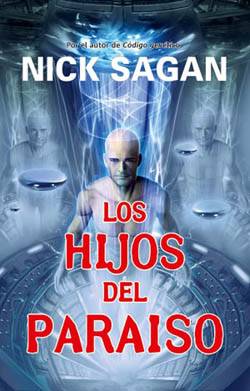
 The Children of Paradise It is the second part of Genetic Code But it is designed to be read individually… of course I didn't know all this when I started reading the book, so I spent a long time wondering if I had already read it or not. And to put the new reader in context, the first chapters are very similar to those of the first book (almost the same, I would say)… and it is a bit confusing.
Once I got over the initial shock and realized that it was a second part, I read the book as usual (about an hour a day), but as I progressed through the plot, I liked it less and less and finally I regained my memory and the whole first book and my thoughts while I was reading it came to me: conclusion, this book is as bad as the first one.
Well... I don't know if it's bad on a literary level, because I have no idea and I don't dare to make this kind of judgment, but I can say that I didn't like it and that I'm probably not the author's target audience.
The plot would be very useful in anyone else's hands (in the hands of Nick Sagan's father, for example), but I think this book is designed to be read by teenagers, and both the themes it raises and the type of decisions the protagonists make are primary and banal... not to disparage teenagers... but let's say they are different approaches to those you have when you are over forty.
The story takes place in a future in which a strain of the Black Death has wiped out all of humanity, except for a small group of posthumans created by a genetic laboratory while searching for a cure for the pandemic, and who, since they have been raised by virtual reality beings, are a little unhinged. This is basically the summary of Genetic Code, the first part. In this second part, we meet a second generation of posthumans who are more unhinged than the first, who pose the most stupid and senseless dilemmas and challenges. ...How nice it would have been if it had told what this world is like, almost without humans, and how they try to survive and ensure that the human race does not die with them. Obviously, it does touch on these issues, but it does so superficially and without entering into philosophical or scientific discussions.
Well... I think Nick Sagan uses his father's name to get his books into publishing houses that publish science fiction for adults, but he really writes books for prepubescent teenagers.
I definitely liked him better as a Star Trek writer. I hope he'll reconsider and go back to writing scripts... that, or they won't include his books in certain series.