
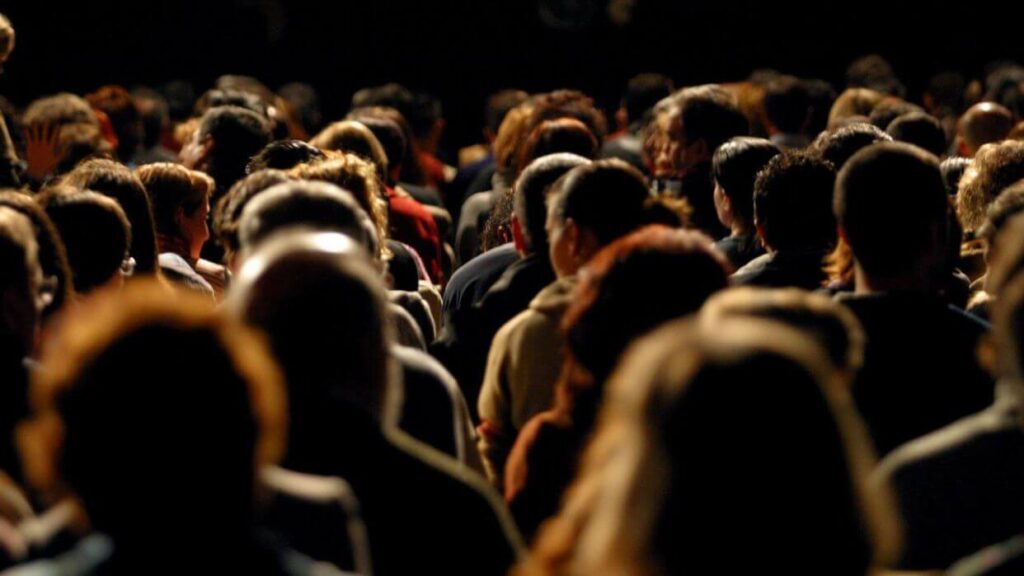
The importance of culture and theatre
Today I'm meeting some friends to go to the theatre. We're going to see Uncle Vanya, a drama by the Russian writer Anton Chekhov published in 1899.
I don't know this play. I'm familiar with the title, but I've never seen it performed and I don't know what it's about. I do know Chekhov, we're old friends. Anton Pavlovich Chekhov is a Russian writer, who belongs to the literary currents of realism and naturalism. I don't particularly like realism... but Chekhov is a great master of the short story and I'd like to see this play.
When I think of Chekhov, a literary device comes to mind that creates spoilers every time I see it on screen… “Chekhov’s gun.” Chekhov’s gun is a dramatic principle that states that every element in a narrative must be necessary and irreplaceable, or else it must be eliminated. “Eliminate everything that has no relevance to the story” Chekhov instructs. When a movie cuts to a rifle hanging on a wall, you can bet that rifle will be part of the plot at one point or another. This is Chekhov’s principle or “Chekhov’s gun”… a spoiler-creating snitch!
I'm afraid of going to the theatre, not because of COVID but because of the play itself. Even though it's by Chekhov, the plays my friends choose tend to be a bit boring... they like classics and "arthouse". I prefer going to the theatre to have a good time. The same as when I go to the cinema or read a book... in my free time, I like escapism more than reflection. I'm not ashamed to admit it. In any case, I really want to go to the theatre because we haven't been for a long time. Since the fateful 15th of March 2020 when the lockdown began, we've only been once. It's time to go back.
I think about how cultural and creative services are fundamental to our society. I am reminded of a text from the European Union Commission, the Green Paper that I use in class, which invites European regions to “Unlocking the potential of cultural and creative industries” of their territories. The text reflects on how culture is at the heart of our social fabric, how it shapes our identities, aspirations and relationships with others and with the world. Culture also shapes the places and landscapes in which we live, the lifestyles we develop. Heritage, visual and performing arts, cinema, music, publishing and fashion design are strongly expressed in everyday life and contribute to the social and economic development of the EU.
I am happier when I go to the theatre thinking that I am participating in the recovery of the sector.
We enter and the show begins!
…It’s hard to wear a mask for the whole play. But it’s better not to take it off as soon as the lights go out (in the cinema I sometimes do it with the excuse of eating popcorn), in this theatre there is no social distancing. We are all crammed into an auditorium where the rows are too close together and the backs of the seats dig into your back. The last time was in a theatre in Barcelona that did comply with all the rules… with the double vaccination now at this time of year, we are more relaxed and I am also in a city that sometimes seems like a village.
It comes to my mind the article from La Vanguardia in which they proposed “going to the theatre to fight COVID”. The author claimed that theatre can become a way of escape and improve people’s mood. “Watching a play makes us think and reflect, or simply disconnect from reality and enjoy a good story. When it’s over, we will be more willing to talk or comment on the show we have seen.”
Maybe La Vanguardia is right… but what a boring play, it’s depressing! The review I read before the lights went down already looked bad, the author of the same indicated that this play is a drama that reflects “the inner apocalypse of a handful of human destinies: boredom, wasted life, unrequited love, unfinished work…” Wow…
I am falling asleep… but not like I fall asleep at the Opera… At the Opera the music is so beautiful that I can do nothing but close my eyes and let myself be transported to the worlds and realities it evokes. Inevitably, and despite singing in choirs for much of my life and therefore adoring music, I fall asleep. That is what happens when you go to the opera on a Friday night. I accept it with resignation. But no, here today in the theatre my mind insists on switching off and wandering around the room.
Cultural business models
I stare at the stage and think about the actors and how they must have suffered during COVID. What must they have done during lockdown? How long have they been out of work? Is there specific help for artists? How must they feel about being back on stage and seeing an audience? I remember some of the interviews I have conducted while collecting data for my academic articles. No, artists (actors, photographers, painters, sculptors, musicians…) have not been able to adapt their business models. Most have had to look for other sources of income or live off their savings. Many have been out of work for over a year. Cultural services such as theatres, concert halls and festivals have also been forced to close their facilities for months and continue to struggle financially to survive. The Cultural sector has suffered as much as the Tourist sector, but it does not seem to receive the same media attention… and the importance of theatre in Culture is undeniable.
The article in La Vanguardia indicated that 97% of actors and dancers were left without income to survive as a result of the pandemic, and that nearly 70% were left unemployed. I look at the actors again. I see people, not Chekhov's characters. I think about the research I am carrying out to better understand the adaptation of cultural business models. In my mind I draw the business model canvas of the company that is playing “Uncle Vanya”: value proposition, target audience, marketing channels, partners, sources of income, expenses… I would like to ask them how they are. If they have been able to do something. If they innovated in some way to be able to continue reaching their audience… Now that I look more closely at them, I see them happy in their role, even if they are playing a drama.
The survival of culture
Keeping cultural enterprises in good health and adapted to the new post-COVID environment is essential. Increasing their resilience to new environmental hostilities is also of vital importance, not only for their long-term survival, but for that of society as a whole. It is not an empty phrase, it is a reality in which I firmly believe, which is why I have already dedicated a year and a half of research to it, … and I continue to do so. Here you will find My last article about it.
Damn, I think I've fallen asleep. People are clapping and getting up. Time to go out and have dinner.
See you next time!
One Response
I liked this post. Many people prefer cinema for this reason, but theatre also has its importance in contributing to the culture of our modern society.