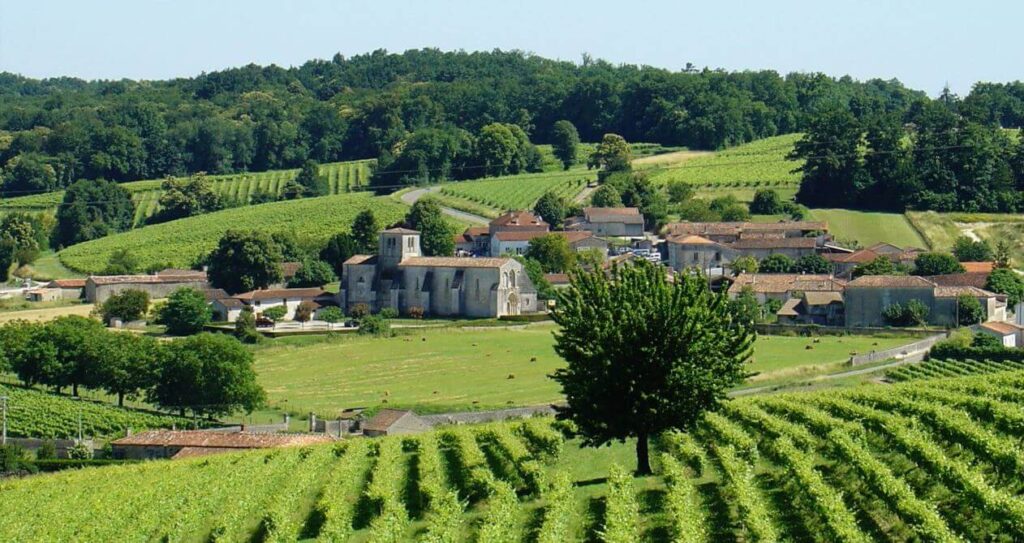
A journey through time and wine sustainability
More and more wineries are seeking sustainability in their winemaking, not just to adapt to market trends, but because they truly believe it is the right thing to do. However, many of them show some resistance to creating a tourism business that revolves around their winery, as they fear losing focus on the sustainability of their projects. However, tourism can favorably complement the income derived from the sale of wines, especially if the production is on a smaller scale.
Today I was reading an article about the transformation of wine tourism in the Bordeaux region, and I thought it was worth reflecting on sustainability and wine tourism.
What is sustainable wine tourism?
Sustainable wine tourism is a growing trend that combines a passion for wine with respect for the environment and local communities.
It is a form of tourism that seeks to preserve natural resources, promote responsible agricultural practices and encourage the socio-economic development of wine regions.
Sustainable wine tourism goes beyond simple wine tasting, offering visitors authentic and enriching experiences that include visits to eco-friendly wineries, tours of organic and/or biodynamic vineyards, tastings of responsibly produced wines, efficient use of natural resources (water, energy), responsible waste management and reduction of emissions.
This form of conscious tourism allows wine lovers to indulge their passion while contributing to the preservation of the local environment and culture.
The transformation of Bordeaux
Bordeaux, both as a city and a region, enchants and fascinates me every time I visit. I try to visit whenever I can and take the opportunity to explore the local wineries and enjoy tastings of the typical wines of the area. On my last visit, I ventured a little further north and ventured into the Cognac region to check out the distilleries there.
The Bordeaux region has undergone a remarkable transformation, going from being initially reluctant to tourism to relying heavily on it as a source of income. It is an inspiring example of change that can serve as a guide for our own wine regions.
Twenty years ago, many châteaux in Bordeaux were not welcoming tourists and there was a sense of snobbery and reluctance to open their doors to visitors. However, just before the pandemic, Bordeaux was already welcoming 6.8 million tourists, who spent 1.5 billion euros in the region in 2019.

The change in attitude towards tourism in Bordeaux can be attributed to several factors. After World War II, Bordeaux faced challenges such as limited funds to replant vineyards and rebuild wineries. However, with the improvement in wine quality in the late 1970s and 1980s, Bordeaux caught the attention of the American market and saw the potential to attract visitors.
The success of wine tourism in Bordeaux also led to the emergence of smaller wineries and lesser-known regions struggling to compete with the big players. The city of Bordeaux also experienced a revitalization under the leadership of Alain Juppé, resulting in the opening of La Cité du Vin, a wine museum that attracts thousands of visitors and which I highly recommend you visit if you are in the region.
This was the first sensory museum I visited.
Benefits of sustainable wine tourism
Positive impact on the environment and biodiversity
Many Bordeaux wineries have adopted sustainable agricultural practices, such as organic and biodynamic farming. These methods avoid the use of harmful pesticides and chemicals, helping to preserve soil quality and protect local biodiversity.
Boosting local and economic development in wine regions
I don't know Bordeaux from 20 years ago, but when you visit the region you can see the transformation of the territory and how everyone is participating in this new approach to tourists.
Sustainable wine tourism fosters the development of the local economy by attracting visitors and generating employment in the region. Sustainable wineries source from local producers and suppliers, which helps strengthen the supply chain and support the community.
Bordeaux's success in wine tourism has not only boosted the economy of the wineries, but has also improved the income of all businesses in the region. You will not leave Bordeaux without having eaten several times in one of the restaurants in the area, you will also take advantage of the opportunity to buy some souvenirs, to have breakfast on the terrace of the many brasseries that fill its streets and to visit its wine museum or take a small boat cruise on the Garonne River.
It is true that some areas are starting to get crowded. A Saturday or Sunday in Saint-Émilion is like strolling down Las Ramblas in Barcelona… it is better to go during the week. The village of Saint-Émilion (a UNESCO World Heritage Site), known for its renowned wines and historical heritage, attracts tourists and wine lovers from all over the world who come to enjoy the village and the panoramic views of the surrounding vineyards… but there are times when the number of tourists per square metre is a little excessive.
Preservation of wine culture and heritage
Sustainable wine tourism offers visitors the opportunity to immerse themselves in Bordeaux's wine history and culture. Many of the wineries that promote sustainability are rooted in centuries-old traditions and strive to preserve the region's wine heritage. It is very enjoyable to have tours and tastings that involve more than one generation of the owning family.
The transition towards sustainable wine tourism
Overall, Bordeaux’s transition from a tourist-averse region to becoming an essential wine destination has been driven by factors such as improved wine quality, the influence of the American market, the efforts of individual wineries and families, the development of tourism infrastructure, and a focus on sustainability. Smaller châteaux offer a more intimate experience, while larger ones, such as Lynch-Bages, Lafite, and Mouton, offer an impressive, grand atmosphere.
Bordeaux’s focus on sustainability, with all winegrowers required to adopt certified environmental approaches by 2030, has also contributed to its success as a wine tourism destination.
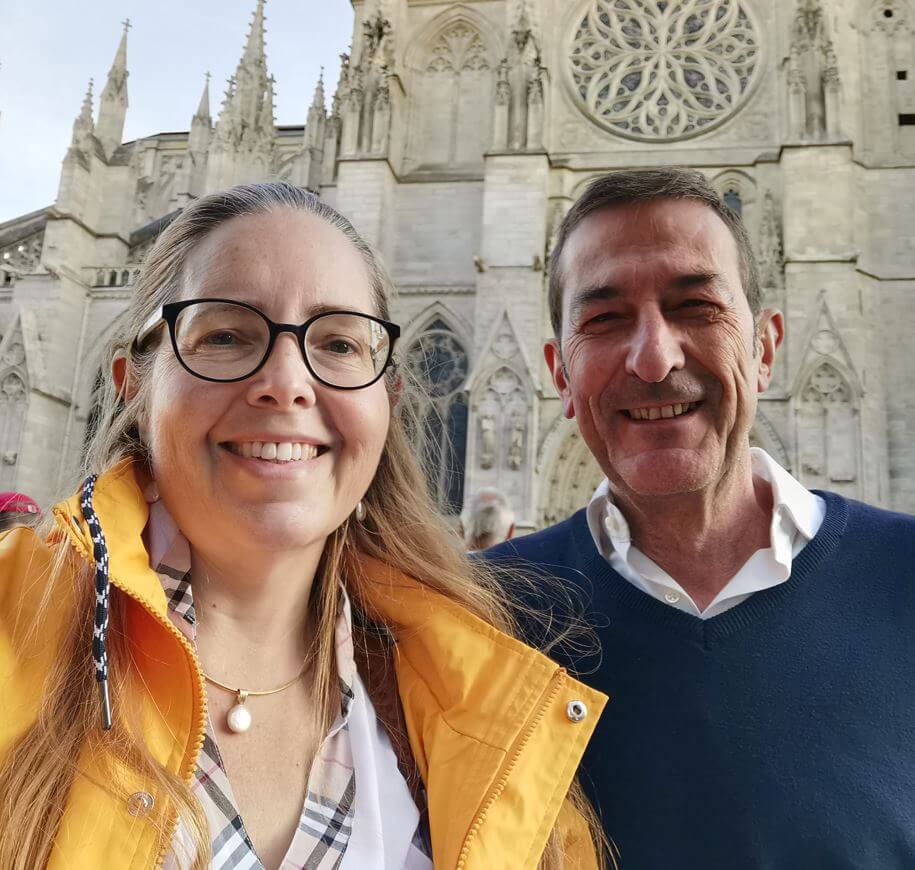 If you have never visited the region, I invite you to do so. It is well connected. We go by car and stay in a hotel or rural accommodation for three days. Ideal.
The original article that inspired me to share the story of Bordeaux can be read here: https://daily.sevenfifty.com/how-bordeaux-opened-its-doors-to-wine-tourism/
I also leave you an article I wrote for the magazine Mercados del Vino on how to attract visitors to a winery's website: https://www.montsepenarroya.com/%c2%bfcomo-conseguir-atraer-visitas-a-una-pagina-web-de-enoturismo/
Have you ever visited this region? How do you see it?
We're talking.
A hug.